Pho, Passion, and Picture Houses: How Vietnamese Filmmakers Are Storming the American Screen

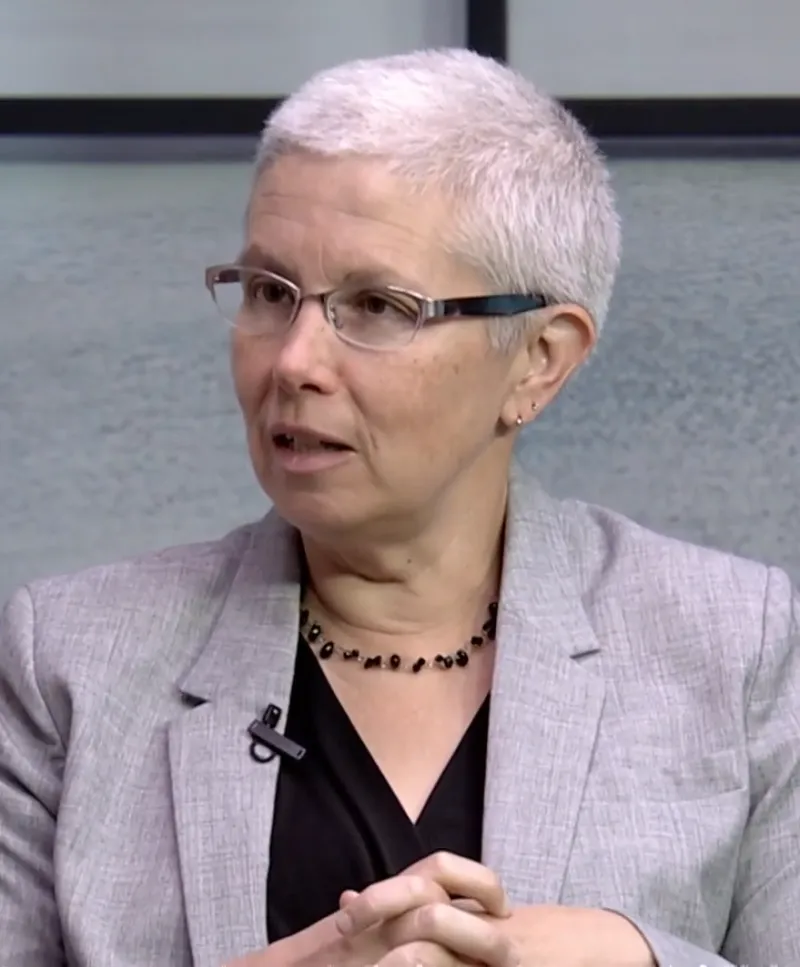
Photo: Linhcandng (thảo luận), CC BY-SA 3.0, via Wikimedia Commons
For decades, Vietnam existed in American cinema almost exclusively as a backdrop — a war-torn setting filtered through a Western lens, populated by characters who rarely got to speak for themselves. But something has shifted dramatically in the past few years, and if you've been paying attention, you already know: Vietnamese storytellers are finally telling their own stories, and American audiences are genuinely showing up to watch.
Here at PhimNet88, we live and breathe Asian cinema. And right now, Vietnamese film feels like the most exciting conversation happening in the entire industry.
The Groundwork Was Laid Years Ago
You can't talk about Vietnamese cinema's international rise without crediting the filmmakers who planted seeds long before the streaming era made global distribution easy. Directors like Trần Anh Hùng — the Paris-based Vietnamese auteur behind The Scent of Green Papaya — demonstrated as far back as 1993 that Vietnamese stories could earn Academy Award nominations and stand alongside the best of world cinema. That film became the first Vietnamese production ever nominated for Best Foreign Language Film at the Oscars.
But Trần Anh Hùng was largely operating from Europe, making films that reached American art house theaters in limited release. The infrastructure for Vietnamese cinema to genuinely penetrate the US mainstream simply didn't exist yet. Fast forward to today, and that infrastructure has been completely rebuilt — by streaming platforms, by diaspora communities, and by a generation of filmmakers who grew up watching both Bicycle Thieves and The Fast and the Furious.
The Diaspora Factor Is Huge
One of the most underappreciated drivers of Vietnamese cinema's American moment is the Vietnamese-American community itself. With over two million Vietnamese Americans living across the US — concentrated in places like Southern California, Houston, and the Bay Area — there has always been an audience hungry for authentic Vietnamese stories. What's changed is that Hollywood and the streaming giants have finally started paying attention to that purchasing power.
Films like Furie (2019), a Vietnamese action thriller starring Ngô Thanh Vân, became a genuine phenomenon when it landed on Netflix. American viewers who might never have sought out a Vietnamese film stumbled across it through the algorithm, and many were stunned by its kinetic fight choreography and its fierce, unapologetic female lead. The film became one of the most-watched non-English titles on the platform in the US during its debut period — proof that the audience existed, it just needed the content to meet it halfway.
Ngô Thanh Vân herself would later cross over into Hollywood blockbuster territory with a role in Shang-Chi and the Legend of the Ten Rings, completing a journey that started in Vietnamese action cinema and ended on the Marvel stage.
Technology Changed the Playing Field
It's impossible to overstate how much digital distribution has democratized access to Vietnamese film. A decade ago, if you lived in Memphis or Minneapolis and wanted to watch a Vietnamese romantic drama, your options were basically a trip to a specialty video store or a burned DVD from a relative. Today, platforms like PhimNet88 put an enormous catalog of Vietnamese content — from blockbuster thrillers to indie festival darlings — directly in your living room.
This ease of access has done something remarkable: it's created casual Vietnamese cinema fans among people with zero personal connection to Vietnam. American viewers who discovered Mắt Biếc (Dreamy Eyes) — a gorgeous, emotionally devastating romantic drama — through online recommendations have described it as one of the most beautiful films they've ever seen, full stop. Not "for a Vietnamese film." Just full stop.
That's the shift. The qualifying phrase is disappearing.
Hollywood Is Paying Attention — Slowly, But Surely
The business side of this story is equally fascinating. Vietnamese production companies have become increasingly sophisticated in how they package and market films for international audiences. Co-productions between Vietnamese studios and international partners are becoming more common, and several prominent Vietnamese directors have been approached for English-language projects.
Industry insiders point to the success of Vietnamese-produced content on streaming platforms as a key negotiating chip. When a film performs strongly in the US market — even in a non-English category — it sends a clear signal to acquisitions executives that Vietnamese content has crossover potential. Studios are now actively scouting Vietnamese talent rather than waiting for it to find them.
The awards circuit has also started to take notice. Vietnamese entries in the International Feature Film category at the Oscars have received more serious critical engagement in recent years, with American film journalists dedicating real column space to films that might have been ignored entirely a decade ago.
The Stories Themselves Are the Secret Weapon
Here's what often gets lost in the business analysis: Vietnamese cinema is simply producing genuinely great films right now. The country has a young, film-literate population, a growing middle class that supports domestic box office, and a filmmaking community that is technically accomplished and narratively ambitious.
From the lush period dramas exploring Vietnam's pre-colonial history to gritty urban crime thrillers set in Ho Chi Minh City's neon-lit streets, Vietnamese cinema offers American audiences something they genuinely can't get anywhere else. The cultural textures, the family dynamics, the particular brand of melancholy and resilience that runs through so much Vietnamese storytelling — these aren't things Hollywood can easily replicate or replace.
What Comes Next
The trajectory feels undeniable at this point. More Vietnamese-American stories are being developed at the major studios. More Vietnamese directors are being courted for English-language projects. And platforms like PhimNet88 are making it easier than ever for US audiences to explore Vietnamese cinema on its own terms, without waiting for Hollywood's seal of approval.
The Oscars moment may still be coming. But honestly? Vietnamese cinema doesn't need Hollywood to validate it anymore. It just needs American audiences to keep showing up — and based on the numbers, they absolutely are.
If you're ready to explore what all the buzz is about, PhimNet88 has you covered. The gateway to Vietnamese cinema is wide open.