Lucky Numbers, Loaded Meaning: How Asian Streaming Platforms Are Coding Culture Into Every Price, Date, and Episode
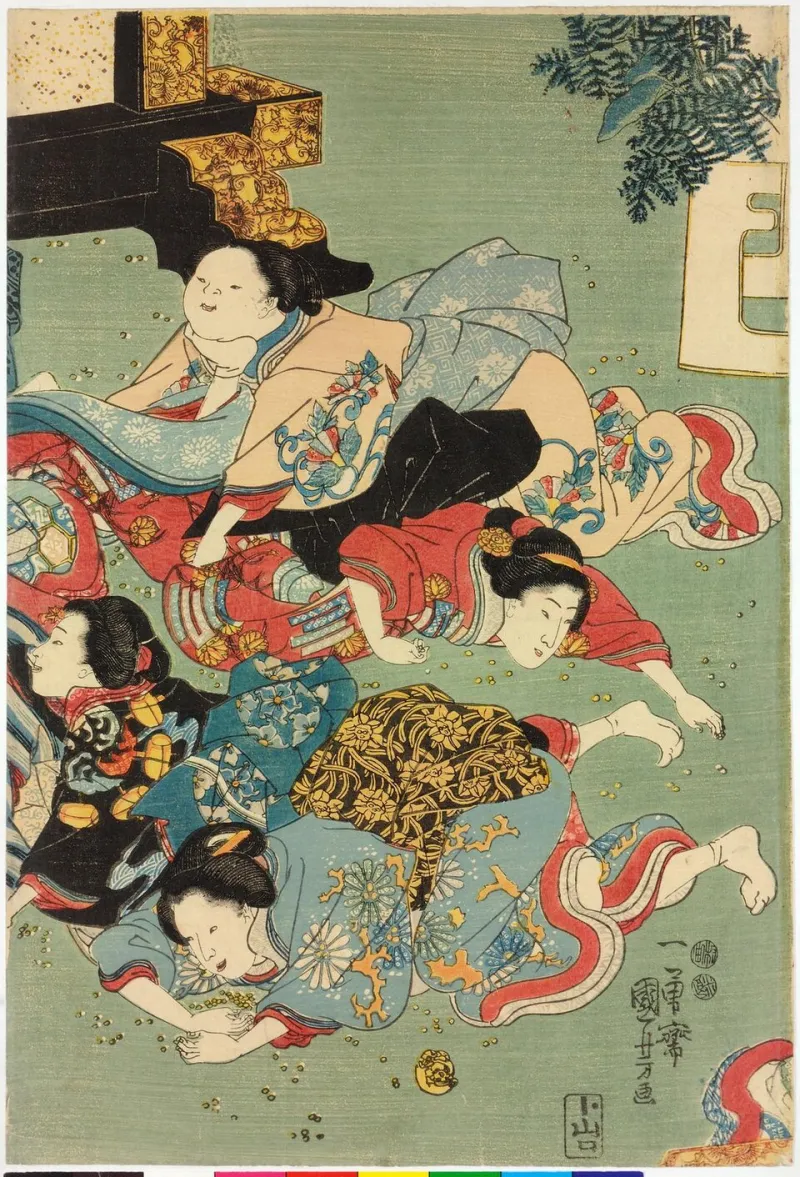
Photo: Print artist: Utagawa Kuniyoshi (歌川国芳), Public domain, via Wikimedia Commons
There's a reason PhimNet88 carries the number it does. And if you've spent any time around Asian entertainment—or Asian culture in general—you already know that 88 isn't just a number. It's a statement. In Chinese numerology, 8 is the luckiest digit you can get, associated with prosperity, abundance, and good fortune. Double it, and you've got something closer to a blessing than a brand name. But what's really interesting isn't that Asian platforms use numbers like this. It's that American audiences are starting to notice—and they're not rolling their eyes. They're leaning in.
Numbers Don't Lie (But They Do Mean Different Things)
In Western culture, numbers are mostly functional. A price is a price. An episode count is whatever the writers needed. A release date is whatever avoids competing with a Marvel drop. But in Asian entertainment ecosystems, numbers carry weight that goes way beyond logistics.
Take the number 4. In Mandarin, Cantonese, Korean, and Japanese, the word for 4 sounds uncomfortably close to the word for death. You won't find many major Asian streaming events deliberately scheduled on the 4th of a month if there's any flexibility. Contrast that with 8, which rhymes with the word for prosperity in several Chinese dialects, and you start to understand why pricing tiers like $8.88 per month aren't accidental. They're a form of cultural communication—a quiet signal to diaspora viewers that this platform understands where they're coming from.
Korean platforms have their own version of this. The number 7 carries a kind of universal luck that crosses into Korean pop culture, and it's no coincidence that some of the most aggressively marketed K-drama series have landed with 7-episode pilot arcs or debuted on the 7th of a given month. None of this gets announced in a press release. It's ambient. It's felt before it's understood.
Episode Counts as Cultural Architecture
Here's something American viewers rarely think about: why does a series have the number of episodes it has? In Hollywood, that answer usually involves network deals, budget spreadsheets, and writers' room availability. In Asian production, the math is sometimes a little more intentional.
Sixteen-episode K-dramas aren't just a format convention—16 is considered a balanced, even-tempered number in Korean cultural numerology, associated with completeness without excess. Twenty-four episode Chinese historical dramas often land on that number because 24 echoes the 24 solar terms of the traditional Chinese agricultural calendar, a number embedded in cultural rhythm going back centuries. These aren't rigid rules, but they're real tendencies, and they create a kind of structural poetry that attentive viewers eventually start to feel even if they can't articulate why.
For American audiences discovering Asian content through platforms like PhimNet88, this creates an interesting psychological effect. Something feels considered. Intentional. Like the people who made this actually thought about every layer of the experience, down to how many hours you'd spend inside it.
The Lunar Calendar Is a Release Strategy
Hollywood plans around summer blockbuster season and awards-season prestige windows. Asian streaming platforms plan around something older and, frankly, more interesting: the lunar calendar.
Lunar New Year is the obvious one—it's the single biggest content drop window in Asian entertainment, equivalent to Christmas and the Super Bowl rolled into one. But the strategic use of the calendar goes much deeper. Ghost Month (the seventh lunar month, when the boundary between the living and the dead is considered thin) has become a genuine release window for horror and supernatural content across Chinese, Taiwanese, and Southeast Asian platforms. The timing isn't just thematic. It's participatory. Viewers watching a ghost story during Ghost Month are engaging in something that feels culturally ritualistic in a way that watching a horror film on a random Tuesday in October simply doesn't.
For Vietnamese content specifically—something PhimNet88 has a deep stake in—the Tết holiday window functions similarly. Films and series timed to drop around Tết carry an emotional charge that transcends marketing. They're positioned as gifts, as communal experiences, as things meant to be watched with family. That framing changes how audiences receive them, and smart platforms know it.
Why Western Audiences Are Actually Into This
Here's the part that might surprise some industry observers: American viewers, particularly younger ones, aren't put off by this kind of cultural coding. They're drawn to it.
There's a growing appetite in the US for entertainment experiences that feel like they come from somewhere real—content that carries genuine cultural DNA rather than the flattened, globally optimized product that major studios tend to produce when they're trying to appeal to everyone simultaneously. When an American viewer learns that the series they just binged had exactly the episode count it did for a cultural reason, or that the platform's pricing reflects a genuine numerological tradition, it doesn't feel like a gimmick. It feels like depth.
Social media has accelerated this significantly. TikTok and Reddit threads dedicated to unpacking Asian cultural symbolism in film and streaming have massive followings. People genuinely want to understand what they're watching at a level beyond plot summary. The numbers, the dates, the structural choices—they're all entry points into a broader cultural conversation that American audiences are increasingly eager to join.
The 88 Effect in Practice
So what does all of this actually look like when it's working? It looks like a platform that prices its premium tier at $8.88 and watches its Vietnamese-American and Chinese-American subscriber base grow through word of mouth because the number signals cultural fluency without a single line of explanatory copy. It looks like a horror series dropping on the first day of Ghost Month and trending on social media not just because the content is good but because the timing feels intentional and fans are talking about why. It looks like an episode count that seems arbitrary until someone in a fan forum explains the cultural logic and suddenly the whole series feels richer.
This is the 88 Effect: the compounding return on cultural authenticity. Every embedded symbol, every numerologically considered price point, every calendar-aware release date adds a small layer of meaning. Individually, none of it is decisive. Together, it creates a viewing experience that feels like it was made by people who actually care—and in a streaming landscape drowning in content, that feeling is worth more than any algorithm can calculate.
For platforms serious about building genuine connection with both Asian diaspora audiences and curious Western viewers, the numbers have always mattered. The good news is that America is finally starting to do the math.