Sold Out Before the Posters Go Up: How Fan Communities Are Turning Asian Films Into American Box Office Events
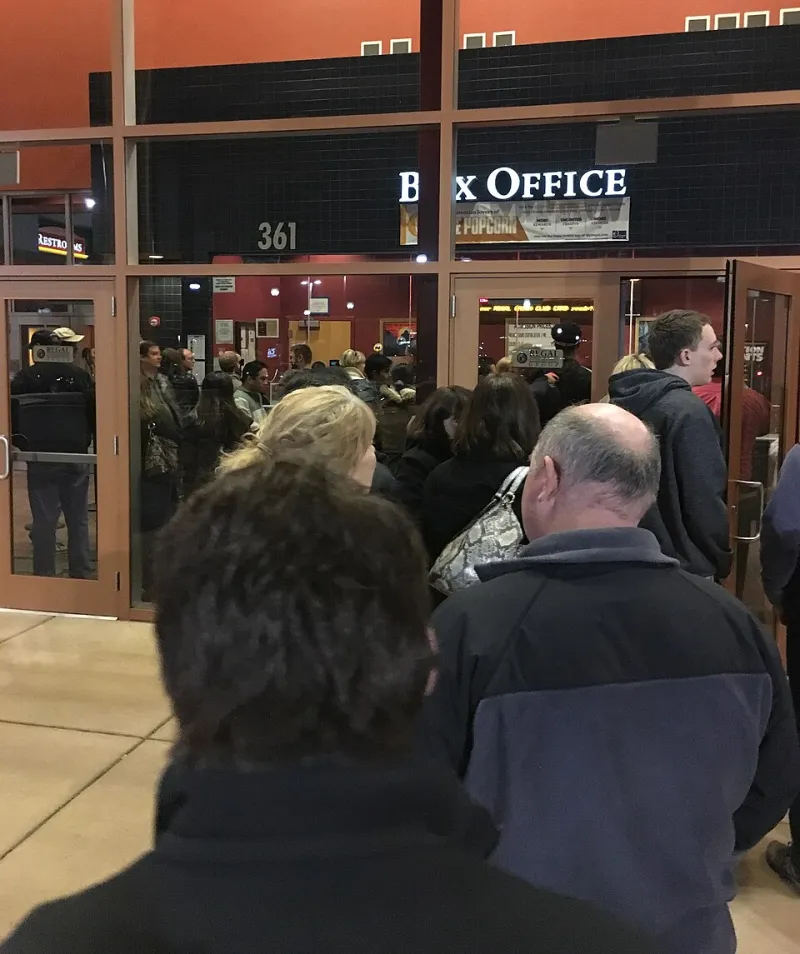
Photo: Packer1028, CC0, via Wikimedia Commons
The theater in Koreatown was sold out three days before the screening. Not because of a studio ad campaign. Not because of a celebrity press tour or a billboard on Sunset. It sold out because someone in a Discord server posted a link, someone else screenshotted it for their Instagram story, and a few hundred people who had been waiting months for this film to show up anywhere in Los Angeles made it happen themselves.
This is the new playbook. And it's working.
The Machine That Wasn't There
Traditional Hollywood distribution has a well-worn formula. A studio acquires a film, spends a calculated percentage of the budget on marketing, books screens based on projected demand, and releases to a built-in promotional ecosystem. For Asian films entering the American market, that system has historically been either slow, skeptical, or completely absent.
So fans built their own.
Over the past four years — accelerated dramatically by the pandemic's disruption of normal theatrical patterns — grassroots fan organizers have developed surprisingly sophisticated networks for bringing Asian cinema to American screens. They coordinate with smaller art house chains, negotiate one-night or limited-run bookings, mobilize their communities through social media with a speed that leaves traditional marketing departments looking arthritic, and in many cases, sell out those screenings before a single official advertisement runs.
The films involved span genres and countries of origin: Korean thrillers, Vietnamese family dramas, Thai horror, Japanese animation, Chinese historical epics. What they share is an audience that found them online — often through clips on TikTok or recommendations in streaming communities like the ones that gather around platforms like PhimNet88 — and refused to accept that "not available in theaters" was the end of the story.
Meet the Organizers
Tammy Nguyen didn't set out to become a film distributor. She's a 28-year-old graphic designer in Houston who started a Facebook group for Vietnamese film fans five years ago, mostly as a way to discuss what she was watching. When a Vietnamese film she loved showed up on a limited US release schedule that somehow skipped Texas entirely, she got annoyed.
"I just thought, this is ridiculous. There are so many of us here. Why is this not happening?" She contacted a local independent theater, pitched the idea, agreed to front a modest booking fee, and promoted the screening entirely through her social channels. The 200-seat theater filled up. She did it again the following month. Then the month after that.
Tammy's story is not unusual. Across the country — in Atlanta, Chicago, Seattle, Dallas, New York — similar organizers have emerged from fan communities, often with no formal background in film exhibition or distribution, running what amounts to a parallel theatrical infrastructure built on community trust and social media reach.
"The studios don't believe there's an audience until you prove it to them," says one organizer in the Bay Area who has coordinated over thirty screenings in the past two years. "So we prove it. Every time."
The Economics of Guerrilla Exhibition
The financial model is scrappier than it looks from the outside, but it's become increasingly viable. Independent and art house theaters, many of which struggled through the pandemic and are still rebuilding consistent foot traffic, have become natural partners. A guaranteed sellout — even a small one — is worth more to a 150-seat independent venue than a half-empty run of a studio title.
Fan organizers typically work one of a few angles: they book a theater through a service like Eventive or Fathom Events, which allows community groups to organize special screenings of licensed content; they partner directly with distributors who hold the rights to a film and are looking for any US theatrical presence to qualify for awards consideration; or in some cases, they connect with the filmmakers themselves, who are often stunned and grateful that anyone in America cares enough to organize a screening.
Ticket prices run slightly higher than standard admission — usually $18 to $25 — and organizers often add programming around the film: Q&As, post-screening discussions, themed food vendors in the lobby. The experience becomes an event, not just a movie night. That distinction matters enormously for the community-building aspect that keeps people coming back.
TikTok as the New Trailer
The marketing muscle behind these screenings lives almost entirely on social media, and TikTok is the engine. A single well-edited clip of a striking scene, a plot moment, or even a fan's emotional reaction to a film can accumulate millions of views and drive hundreds of ticket sales within 48 hours.
This is a fundamentally different promotional logic than what studios are built for. Traditional marketing works on a timeline of months. Fan-driven TikTok campaigns operate on hours. By the time a studio's marketing department has scheduled a meeting to discuss a film's social strategy, a fan account with 80,000 followers has already moved the needle.
"I posted a 30-second clip from a Thai horror film I'd seen on a streaming platform, just because I thought the cinematography was insane," says one creator who goes by @asiancinemasociety on TikTok. "Within a week, people were asking where they could see the full thing in theaters. There was no US theatrical release. So I helped organize one."
The screening sold out twice.
Hollywood Is Paying Attention (Finally)
The industry has taken note, albeit slowly. The surprise box office performance of several Asian films over the past few years — Everything Everywhere All at Once being the most prominent example, though that's an American production — has cracked open a conversation about who the American moviegoing audience actually is versus who studios assumed it was.
More directly relevant: the theatrical runs of films like The Battle at Lake Changjin, Decision to Leave, and various anime features have outperformed projections in markets where grassroots communities mobilized. Distributors who once viewed Asian film acquisitions as streaming-only plays are now reconsidering whether a theatrical component — even a limited one — is worth pursuing, especially when the community does the marketing for free.
Some studios have begun reaching out to prominent fan organizers to consult on release strategies. It's a small development, but a telling one. The people who built parallel distribution networks out of frustration are being asked to help fix the system they worked around.
What This Means for Streaming
Here's the irony that PhimNet88 is living in real time: streaming platforms created the conditions for this movement, and now the movement is pushing audiences back into theaters.
Fans discovered these films on streaming. They built communities around them online. Those communities developed enough critical mass and organizational capacity to demand theatrical access. And the theatrical experience — the shared energy of a sold-out room full of people who genuinely love a film — creates the kind of deep fandom that sustains streaming subscriptions, merchandise, and sequel anticipation.
It's not streaming versus theaters. It's a loop. And the fan communities driving midnight screenings in Houston and Chicago and Seattle are sitting at the center of it, with a group chat and a Canva poster and an absolutely unshakeable belief that the films they love deserve to be seen big.
They're not wrong. And the numbers are starting to prove it.